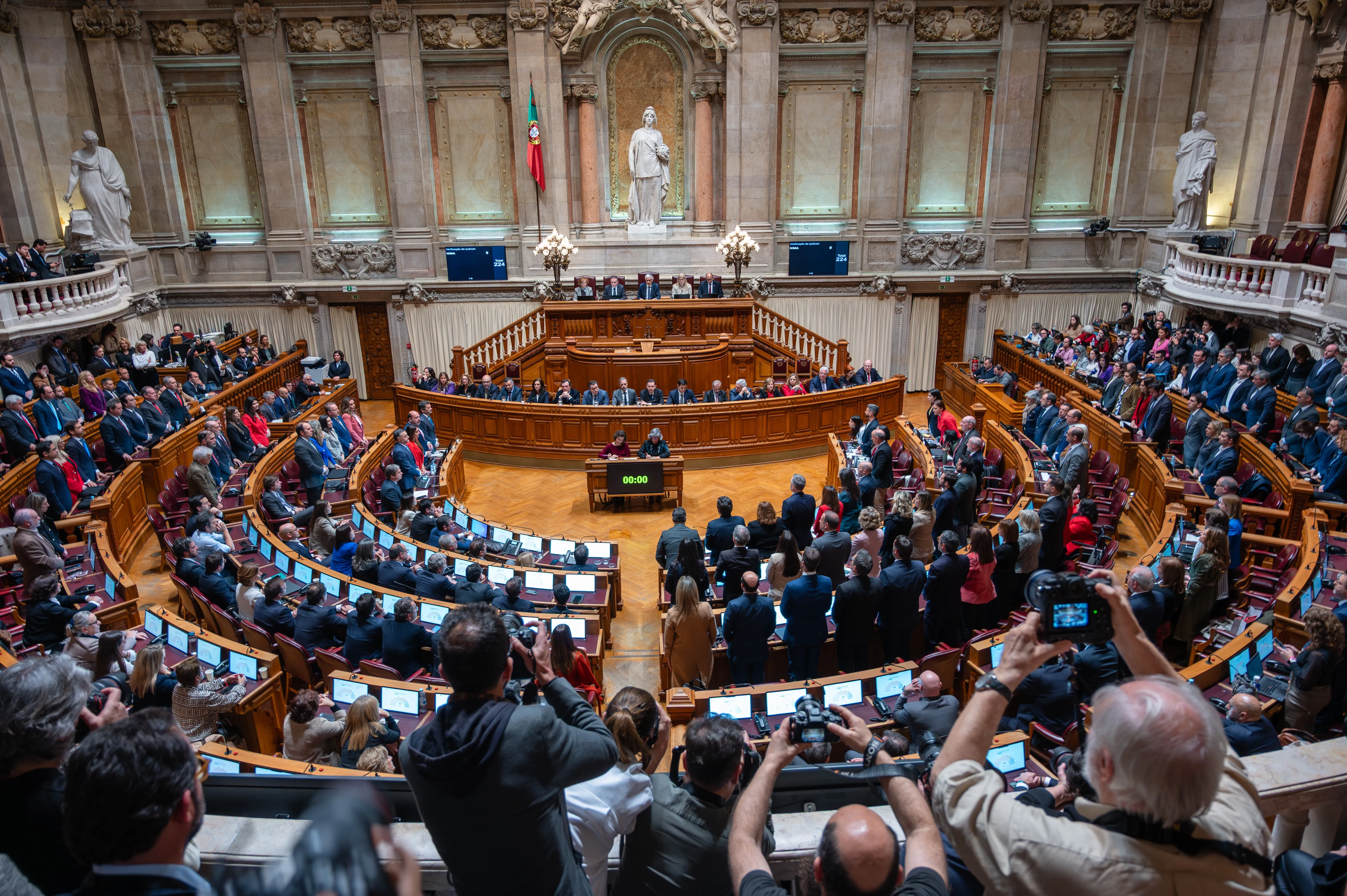
Who Governs Portugal? A Comparative Analysis of Ministerial Profiles (1976–2025)







Who makes up the Portuguese cabinet? Are they primarily career politicians, rising through political parties and parliament, or specialists in the policy areas they oversee? What qualifications do they possess? Do they enter the cabinet with relevant experience, or acquire it while in office? How are they recruited? To allow an informed political scrutiny, it is essential to examine Portugal’s ministerial elite and understand its influence on the quality of governance.
This study, coordinated by Marcelo Camerlo and António Costa Pinto, addresses these questions by collecting and analysing data on five key dimensions of Portuguese ministers between 1976 and 2025: their party, political, academic, professional and managerial backgrounds.
This research shows that the evolution of ministerial recruitment has followed the process of democratic consolidation, resulting in the growing professionalisation of the governing elite. It also reveals that Portugal has developed a hybrid recruitment model, combining political experience and technical expertise: ministers are increasingly specialists, though political parties still drive their recruitment.
From Mário Soares to Luís Montenegro, this study by the Fundação Francisco Manuel dos Santos offers a unique perspective on those who reach executive office. It is an essential reading for understanding the dynamics of renewal and circulation of political elites and, more broadly, the functioning of the Portuguese political system – from the factors that shape the quality and stability of governance to the criteria for selection and the government’s degree of openness.



















Is the honesty of politicians important to the majority of voters? Is an ethical attitude viewed in the same way by politicians and citizens? This...
How do the people rate the quality and effectiveness of local policies? What characteristics do voters value most in their choice of a mayor? In the...

How does Portuguese society view corruption? FFMS has launched a new barometer to understand the phenomenon, considered one of the most serious...