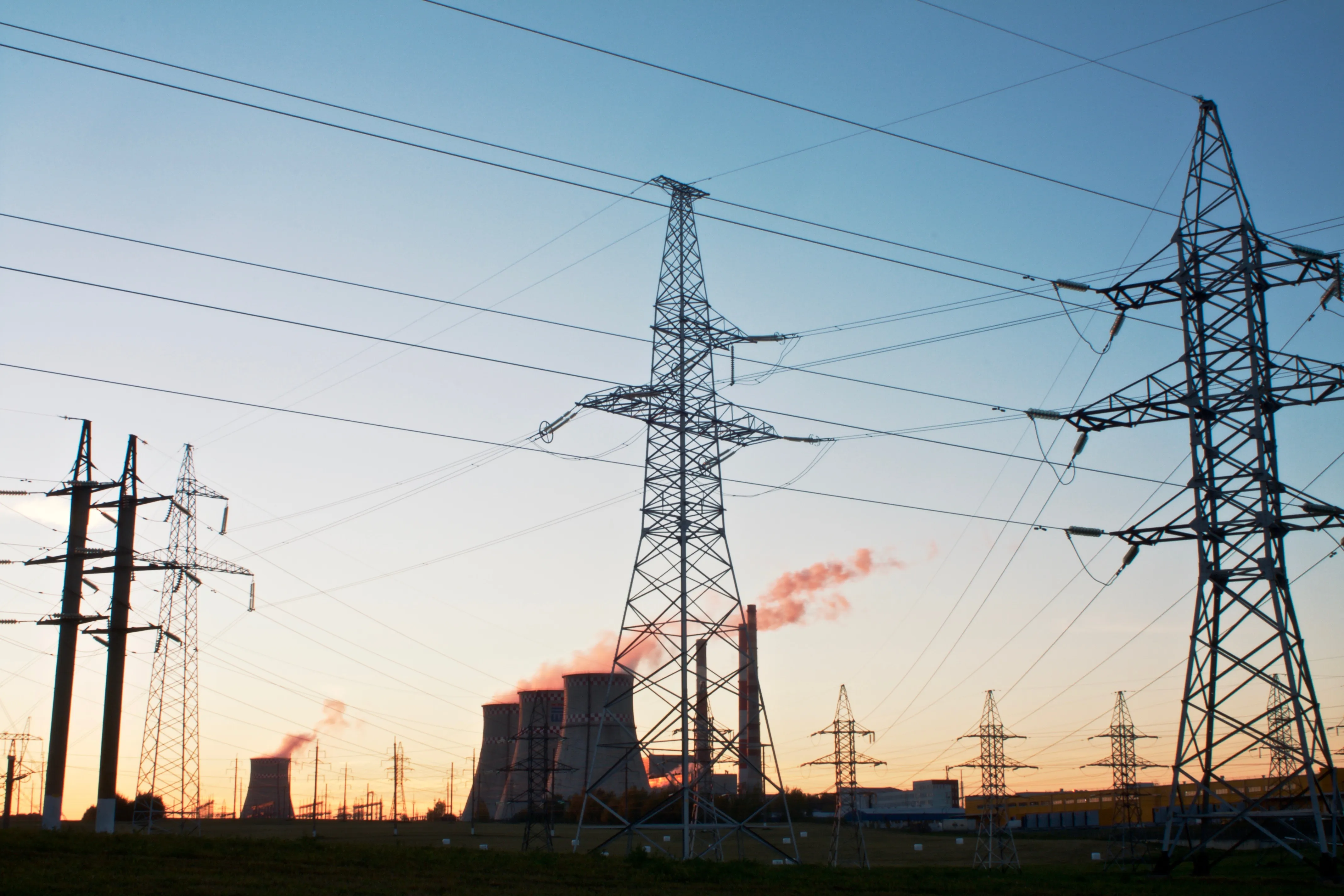
System integration: the key to Europe's energy trilemma




Pressure from superpowers like Russia, China, the US and, more recently, Iran, is forcing European to rethink its energy systems and markets.
In recent years, the debate around European energy security has been mainly about ensuring reliable imports for a continent that is still very dependent on external suppliers. However, uncertainty and the political risk associated with the current geopolitical context have compelled European leaders to focus their attention on defining a pathway that will guarantee European energy sovereignty.
The new FFMS policy paper, the result of a partnership with the Brookings Institution, argues that to achieve energy independence, Europe must rethink the integration of its energy systems.
To reach the goal of providing its consumers with secure, affordable and sustainable power, energy integration will require the construction of infrastructure such as power transmission cables and gas pipelines to connect the markets. At the same time, the political and trade barriers that currently hamper cross-border energy flows must be reduced.
Taking action on all of these fronts will allow Europe to mitigate supply shocks, optimize the use of solar and wind energy and use the most competitive sources in its territory.
However, connecting the systems poses significant challenges. On the one hand, the investment needed raises questions as to cost sharing – to extend the interconnection of the electricity sector alone, the European Union estimates that 1.2 trillion euros will be needed by 2040. On the other hand, the partial loss of national control and the unequal impacts on countries, consumers and producers are giving rise to political resistance.
This policy paper sets out projects in different European regions that show that the obstacles can be overcome through coordination and strategic vision, underlining that energy integration is now recognized as an essential public good, requiring more effective governance and policy alignment that will assure fair distribution of costs and benefits.
The full study is available on the Brookings website.


Ukraine has chosen European integration and decided to sever its long-standing ties with Russia. Moscow does not accept Kyiv’s sovereign decision and...

Portugal and Spain are in a position to lead Europe's energy transition and capture green industrialisation opportunities, thanks to abundant...
The future of energy is highly uncertain. The world's largest economies are failing to meet the climate objectives set out in the Paris Agreement and...