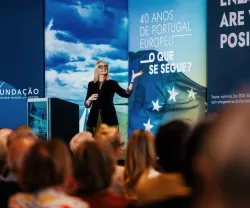
Europe faces a fundamental economic challenge: despite its wealth, talent and world-class companies and institutions, it is struggling to remain competitive in an increasingly demanding global economy. Productivity, investment and innovation have lagged behind those of major competitors, raising a crucial question: what will it take for Europe to regain momentum and build a more dynamic and prosperous economy?
The diagnosis is not new. The Draghi and Letta reports, among other works, have set out ambitious proposals to strengthen Europe’s competitiveness and complete the Single Market. Yet political declarations have so far delivered limited change.
Is Europe suffering from a lack of ideas or from an inability to turn them into action? What reforms could unlock investment, innovation and growth? And how can Europe create a better environment for businesses to attract talent and scale up?
At the same time, the rapid development of artificial intelligence is creating both new opportunities and new risks. Should Europe still aim to compete for technological leadership, or focus on becoming exceptionally good at applying technologies developed elsewhere? And how can it regulate AI in a way that protects citizens and businesses without stifling innovation or putting European companies at a disadvantage?
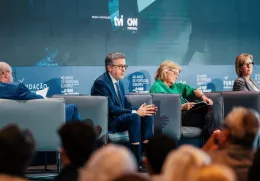
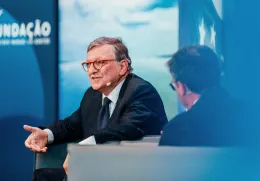
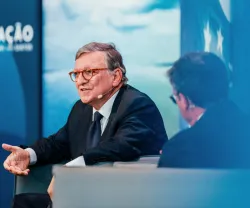
The discussion began with a remote address by Nobel Prize winner Philippe Aghion, whose reflections provided the starting point for a conversation led by economist Ricardo Reis with former MEP and scholar Luis Garicano.
Reis and Garicano examined what Europe must do to become more innovative, resilient and prosperous in a global economy characterised by technological competition, geopolitical fragmentation and profound structural changes. The debate addressed not only the obstacles facing Europe, but also the opportunities it can capitalise on to strengthen its competitiveness and ensure sustainable growth in the coming decades.



56



Conferences that bring together leading national and international experts on topics ranging from ethics to issues, from women to young people, from social security to ageing, from economics to science and the universe.