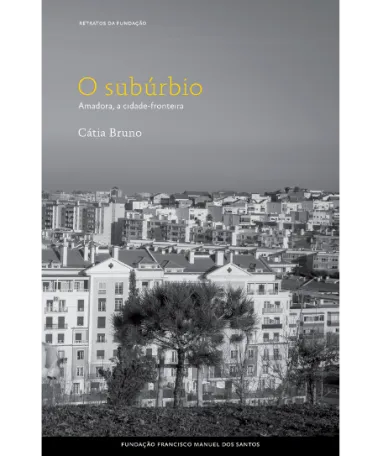
The Working-Class Suburb, Amadora, the Border Town


Nº100 SEPTEMBER 2026
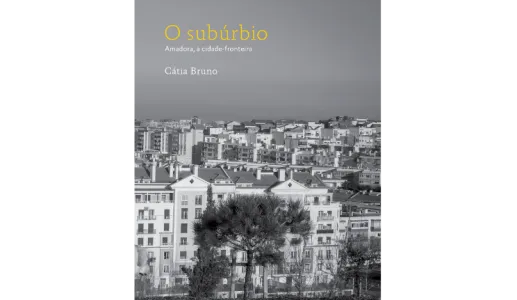
When someone says they are «from Amadora», the stigma sticks to them like glue. It evokes images of poorly designed concrete housing estates or informal settlements, families crammed into high-rise blocks, the capital’s poor and troubled dormitory town. Nevertheless, while it is one of Portugal’s smallest and most densely populated municipalities, Amadora is much more than this.
This portrait explores six places that illustrate Amadora across six dimensions — economy, sport, transport and mobility, immigration, housing and culture — through the voices of those who live there. From the old Sorefame factories to Cova da Moura, from the José Gomes Stadium to the corridors of Babilónia: here we find another city, one where working-class heritage, immigration and renovated urban space have created a dynamic, unique daily life and identity.
When someone says they are «from Amadora», the stigma sticks to them like glue. It evokes images of poorly designed concrete housing estates or informal settlements, families crammed into high-rise blocks, the capital’s poor and troubled dormitory town. Nevertheless, while it is one of Portugal’s smallest and most densely populated municipalities, Amadora is much more than this.
This portrait explores six places that illustrate Amadora across six dimensions — economy, sport, transport and mobility, immigration, housing and culture — through the voices of those who live there. From the old Sorefame factories to Cova da Moura, from the José Gomes Stadium to the corridors of Babilónia: here we find another city, one where working-class heritage, immigration and renovated urban space have created a dynamic, unique daily life and identity.

More details
Dimensions
6,5 × 130 × 200 mm
ISBN
978-989-9270-00-8
Book available only in Portuguese
Other books