


Can Europe successfully transition while guaranteeing a secure energy supply, keeping costs affordable and meeting its climate targets?
In a series of six policy papers culminating in the study Europe's Energy Transition: Balancing the Trilemma, published in partnership with the Brookings Institution, Samantha Gross and Constanze Stelzenmüller argue that this objective will require Europe to integrate its energy systems more fully.
Achieving that integration will require major investment in infrastructure, including electricity transmission lines and gas pipelines capable of linking markets across borders. Simultaneously, Europe will need to reduce the political and commercial barriers still hampering cross-border energy flows.
The authors argue that progress on all these fronts would enable Europe to absorb supply shocks, make better use of renewable energy sources such as solar and wind power, and more effectively exploit the continent’s most cost-competitive energy sources.
However, integrating energy systems presents significant challenges. On the one hand, the scale of the investment required raises difficult questions about how to share costs. The EU estimates that deepening integration in the electricity sector alone will require €1.2 trillion by 2040. On the other hand, the partial loss of national control and the uneven impact on countries, consumers and producers create political resistance.
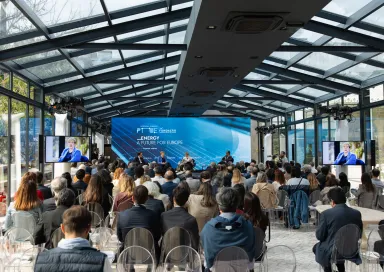
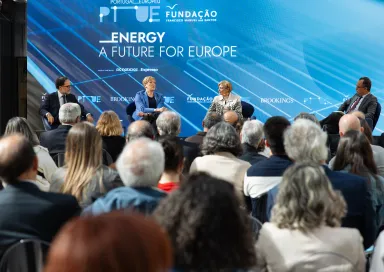
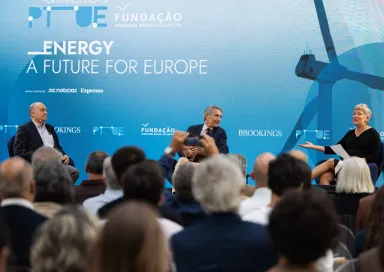
The findings of the policy paper series were presented at the opening of the conference Energy: A Future for Europe.


50


Conferences that bring together leading national and international experts on topics ranging from ethics to issues, from women to young people, from social security to ageing, from economics to science and the universe.