


«We tend to think about the dematerialisation of things in economics. What we are seeing in Ukraine and in the Strait of Hormuz is a shocking and unsettling reminder that physical matter matters.» So says Ed Conway, author of the award-winning bestseller Material World: A Substantial Story of Our Past and Future.
In an interview on the importance of the physical world and the future of energy in Europe, the journalist argues that, despite all efforts to strengthen sovereignty, Europeans remain dependent on Russia and its commodities, such as liquefied natural gas.
«It is very difficult to free ourselves from these dependencies quickly. And when we were trying to do so, we shifted many of them towards America and Qatar,» he says, noting that, in addition to gas and crude oil, many other essential materials come from external markets.
Europe also depends on external suppliers for helium, a critical component in MRI scanners and the semiconductors used in AI systems, as well as sulphur, which is essential to copper refining and, consequently, to producing the infrastructure needed for the energy transition.
Production disruptions and shortages resulting from today's geopolitical realities are forcing Europe to rethink its future.«I hope that all these developments will lead to a more realistic conversation about how the world works and how we can make it a better place,» says Ed Conway.


50
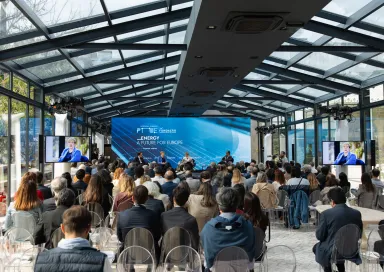
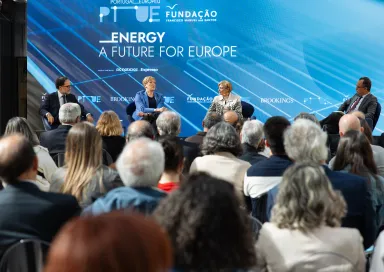
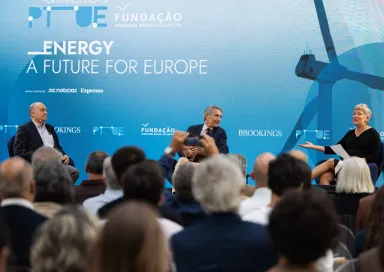

Conferences that bring together leading national and international experts on topics ranging from ethics to issues, from women to young people, from social security to ageing, from economics to science and the universe.