The received wisdom often views corruption as a domestic problem, internal within each country. However, Ricardo Soares de Oliveira, professor of Political Science at CERI–Sciences Po, challenges this view, arguing that «over the years, we have come to realise that corruption is more a matter of global governance and, in many ways, a feature of the global economy».
In this episode of «It's not that simple», the political scientist demonstrates how the international financial system creates conditions for illegal practices to flourish through legal mechanisms. Essentially, the distinction between legal and illegal may be less clear-cut than it appears.
In light of this, the Oxford researcher goes on to highlight one of contemporary academia’s primary concerns, namely, how some regions lead (or abandon) the anti-corruption agenda.
While acknowledging the Western origins of the fight against corruption, the expert nevertheless criticises the disunity, inconsistency and hypocrisy of Western countries in this area. He contends that the UK and Switzerland, for example, «have sought to defend their financial sectors – particularly offshore ones – by refusing financial reform, especially in terms of transparency».
Soares de Oliveira points out how, during the last five years, this hypocrisy has given way to a great deal of scepticism, not only regarding transparency laws but also the role of NGOs. «We are experiencing a decline in the ability to influence decision-makers to adopt reformist measures», he warns.
The constantly shifting landscape is producing new challenges. One such challenge is cryptocurrencies, which add layers of risk and escape traditional control mechanisms – mechanisms that Soares de Oliveira claims were already ineffective in many cases.
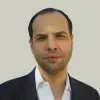

Profile of Ricardo Soares de Oliveira, University of Oxford
«Corrupção», by Luis de Sousa (FFMS Bookstore)
Ricardo Soares de Oliveira: «As elites angolanas não confiam no futuro do país» (Público)
63

Big issues, big names in a new programme dedicated to interviews with international personalities from the world of politics, economics and society. These conversations with special guests, conducted by journalist Pedro Pinto, aim to simplify and help demystify some of today's most important issues. Every month, on the Foundation's website.